
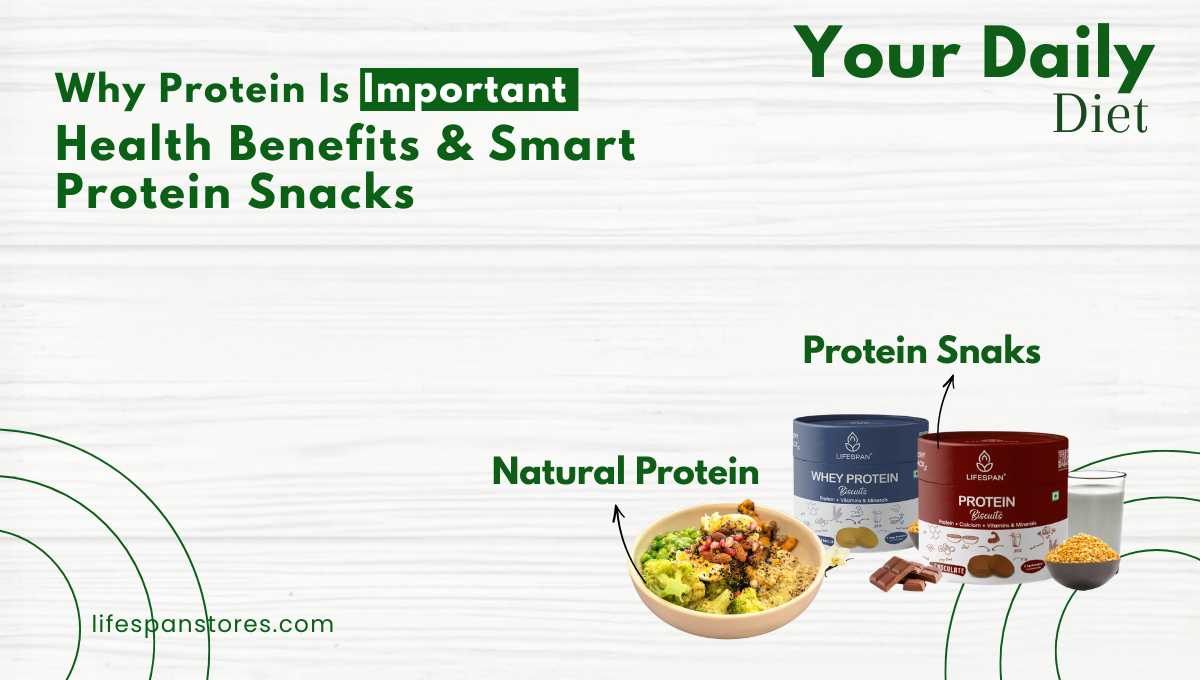
Protein is often associated with gym workouts, bodybuilding and muscle gain. But protein is much more than a fitness nutrient. It is one of the three essential macronutrients that the body needs every day, alongside carbohydrates and fats. From maintaining muscles and supporting tissue repair to contributing to enzymes, hormones, skin, hair and immune functions, protein plays a role in many essential processes throughout the body.
The good news is that getting enough protein does not have to mean relying only on protein powders or complicated meal plans. A balanced diet can provide protein through everyday foods such as pulses, dairy products, eggs, fish, lean meats, nuts, seeds and soy foods. For people with busy schedules, protein-rich snacks can also make it easier to include protein between meals.
Lifespan takes this everyday approach to nutrition a step further with convenient protein-focused options such as Lifespan Protein Biscuits and Lifespan Whey Protein Biscuits, designed for people looking for practical ways to add protein to their daily routine.
What Is Protein and Why Does Your Body Need It?
Protein is made up of amino acids, which are often described as the building blocks of the body. Some amino acids can be produced by the body, while essential amino acids need to come from food. Protein contributes to the structure and function of muscles, bones, skin, blood and other tissues, while also playing roles in enzymes, hormones, immune response and several other body processes.
Everyday activities create a constant need for the body to maintain and repair tissues. Exercise, physical activity, growth, ageing and normal daily wear and tear can all influence protein requirements.
This is why protein should not be viewed as something reserved for athletes. Whether you are a student, working professional, homemaker, active adult or someone simply trying to maintain a balanced lifestyle, protein has a place in a well-rounded diet.
7 High-Impact Reasons Protein Dominates Your Nutrition Plan
- Supports Muscle Maintenance
One of the best-known functions of protein is its connection with muscles. Muscles are continually being broken down and rebuilt as part of normal metabolism. Adequate protein provides amino acids that the body can use for maintaining and repairing muscle tissue.
For people who exercise regularly, protein becomes particularly relevant because physical training places additional demands on muscles. However, muscle health is not only important for gym-goers. Maintaining muscle mass is an important part of staying physically capable throughout life.
- Helps Support Tissue Growth and Repair
Protein contributes to the formation and maintenance of tissues throughout the body. This includes muscle, skin and other structural tissues.
That makes protein especially relevant during periods when the body is growing, recovering from physical stress or adapting to exercise. Rather than thinking of protein solely as a muscle-building nutrient, it is more accurate to view it as a fundamental nutrient for body maintenance.
- Contributes to Enzyme and Hormone Functions
Protein is involved in the production of many enzymes and hormones. Enzymes help facilitate chemical reactions in the body, while hormones act as signalling molecules involved in numerous physiological processes.
In simple terms, protein helps provide the raw materials needed for many of the body’s everyday functions.
- Supports Immune Function
Protein is also connected with the body’s immune response. Adequate nutrition is important for maintaining normal immune function, and protein forms part of that nutritional foundation.
This does not mean that eating more protein automatically prevents illness. Instead, it highlights why sufficient protein should be considered alongside vitamins, minerals, fibre, healthy fats, carbohydrates, hydration and other components of a balanced diet.
- Can Help You Feel Satisfied After Eating
Protein-rich foods can contribute to feelings of fullness and satisfaction. This can be useful when planning meals and snacks, particularly for people who tend to reach for highly processed foods between meals.
Choosing a snack that contains protein can make it easier to create a more balanced eating routine rather than relying exclusively on snacks that provide primarily carbohydrates or added sugars.
- Supports an Active Lifestyle
Walking, running, cycling, strength training, sports and even physically demanding daily activities all place demands on the body.
A diet containing sufficient protein, alongside appropriate energy and other nutrients, can help support normal muscle maintenance and recovery as part of an active lifestyle.
- Protein Is Important at Every Stage of Life
Protein requirements and nutritional needs vary according to factors such as age, body size, activity level and health status. The commonly cited adult protein RDA is 0.8 grams per kilogram of body weight per day, but this is a general reference point rather than a universal target for everyone. Individual requirements can differ, particularly for active people and certain life stages or health circumstances.
For personalised protein recommendations, especially if you have a medical condition or specific dietary needs, consult a qualified healthcare professional or registered dietitian.
Good Natural Sources of Protein You Can Add to Your Daily Diet
Protein does not have to come from supplements or packaged foods. Many nutritious foods naturally contain protein and can easily become part of everyday meals.
Pulses and Legumes: Dal, lentils, chickpeas, kidney beans, black gram and other pulses are practical plant-based protein choices. They can also provide fibre and other nutrients, making them useful components of a balanced diet.
Milk and Dairy Products: Milk, curd, yoghurt, paneer and other dairy foods can provide protein along with nutrients such as calcium. Dairy can be particularly convenient at breakfast or as part of snacks and meals.
Eggs: Eggs are a convenient protein source and can be incorporated into breakfast, lunch or dinner. They can be boiled, scrambled, added to sandwiches or combined with vegetables for a simple meal.
Fish and Lean Meat: Fish, chicken and other lean animal proteins can provide high-quality protein. Fish can additionally contribute beneficial fats depending on the variety chosen.
Nuts and Seeds: Almonds, peanuts, walnuts, pumpkin seeds, sunflower seeds, chia seeds and other nuts and seeds provide protein alongside fats and other nutrients. Because they can be energy-dense, portion awareness is useful.
Soy Foods: Tofu, soybeans and other soy-based foods can be valuable protein sources, particularly for people following vegetarian or plant-forward eating patterns.
Whole Grains and Other Plant Foods
Certain grains and plant foods can contribute to overall protein intake. Combining a variety of legumes, grains, nuts and seeds across the day can help create a diverse nutritional profile. Harvard Health recommends consuming a variety of protein-rich foods to obtain protein along with the vitamins, minerals and other nutrients found in different foods.
Why Protein-Rich Snacks Can Be Useful
Even when someone understands the importance of protein, meeting daily nutritional needs can become difficult when life gets busy.
Work schedules, travel, school, commuting, workouts and long gaps between meals can all make planned eating challenging. This is where convenient protein-rich snacks can have a practical role.
Instead of reaching for a snack that offers little nutritional value, choosing an option containing protein can help you make your snack break more purposeful.
This is the idea behind protein biscuits: they offer the familiarity and convenience of a biscuit while providing protein as part of the snack.
Lifespan Protein Biscuits: Protein Made Convenient
Lifespan Protein Biscuits (200gm) are designed as an everyday snack option for people who want to include more protein in their routine without making snacking complicated.
According to Lifespan’s product information, these biscuits contain casein, milk solids and Bengal gram powder, ingredients that contribute protein, while milk-based ingredients also provide naturally occurring calcium. The product is available in Chocolate and Vanilla flavours. Lifespan also states that the biscuits contain no refined sugar, maida or added preservatives.
Key Ingredients in Lifespan Protein Biscuits
Casein: Casein is a milk protein and provides amino acids that contribute to dietary protein intake.
Milk Solids: Milk solids provide dairy-based nutrition and naturally occurring calcium, in addition to contributing protein.
Bengal Gram Powder: Bengal gram is a traditional legume-based ingredient that contributes plant-derived protein and makes the formulation particularly relevant to Indian dietary preferences.
Cocoa Powder: The Chocolate variant uses cocoa powder for its rich chocolate character.
Vanilla Extract: The Vanilla variant is naturally flavoured with vanilla extract for a lighter, mild flavour.
The result is a snack designed around convenience without making protein consumption feel like a chore.
Lifespan Whey Protein Biscuits: A Protein-Focused Snack
For those specifically looking for a whey-based option, Lifespan Whey Protein Biscuits (200gm) provide another convenient way to incorporate protein into a daily snack routine.
Lifespan states that one serving of three biscuits provides 7.99g of whey protein. The product is positioned as a convenient snack for people looking to support muscle health, stay satisfied between meals and complement an active lifestyle.
What makes this product particularly interesting is its combination of whey protein with selected botanical ingredients.
Ingredients Highlighted in Lifespan Whey Protein Biscuits
Whey Protein: Whey is a milk-derived protein and is the primary protein ingredient highlighted by Lifespan. One serving of three biscuits provides 7.99g of whey protein according to the product page.
Cinnamon: Cinnamon adds its characteristic warm flavour and is included as one of the plant-based ingredients highlighted by Lifespan.
Banaba: Banaba is a botanical ingredient included in the formulation alongside the other plant ingredients.
Amla: Amla, also known as Indian gooseberry, is a traditional Indian botanical valued for its nutritional and antioxidant properties.
Ashwagandha: Ashwagandha is an Ayurvedic botanical traditionally used in wellness practices and is included in the product’s botanical blend.
Lifespan describes the combination of cinnamon, banaba, amla and ashwagandha as adding plant-based goodness alongside whey protein.
Protein Biscuits vs. Regular Biscuits: What Makes Them Different?
Regular biscuits are generally chosen primarily for taste and convenience. Protein biscuits, on the other hand, are formulated with an additional nutritional purpose: helping consumers include protein in their snack choices.
That does not mean protein biscuits should replace balanced meals. Instead, they can be considered a convenient addition to a diet that already includes whole foods such as vegetables, fruits, legumes, whole grains, dairy products, eggs, nuts and seeds.
For example, a person might enjoy Lifespan Protein Biscuits between meals at work, carry them during travel or choose them as a convenient snack after physical activity.
The goal is not to replace natural protein sources, but to make protein intake more convenient when everyday schedules become demanding.
How to Include Protein More Consistently in Your Daily Routine
A simple way to improve protein intake is to distribute protein-containing foods throughout the day.
Breakfast: Eggs with whole-grain toast, yoghurt with seeds, or milk with a balanced breakfast.
Lunch: Dal, chickpeas, rajma, paneer, tofu, chicken or fish alongside vegetables and grains.
Evening snack: A protein-focused snack such as Lifespan Protein Biscuits or Lifespan Whey Protein Biscuits.
Dinner: Include a protein source such as dal, paneer, tofu, eggs, fish or lean meat alongside vegetables and an appropriate carbohydrate source.
After activity: Depending on your overall diet and individual nutritional requirements, a protein-containing snack can be a practical option when a full meal is not immediately convenient.
The key is consistency rather than trying to consume an excessive amount of protein at one time.
Make Protein Part of a Balanced Lifestyle
Protein is important, but it is only one part of good nutrition. A genuinely balanced diet also needs carbohydrates for energy, healthy fats, fibre, vitamins, minerals and adequate fluids.
The quality of the overall diet matters as much as focusing on a single nutrient. Harvard’s Nutrition Source highlights that the overall “protein package” matters, meaning the other nutrients and foods that accompany protein can influence the nutritional value of the dietary choice.
That is why the best approach is to build meals around a variety of nutritious foods and use convenient protein-rich snacks when they fit your lifestyle.
Choose Smarter Snacking with Lifespan
Getting enough protein every day does not have to be complicated. Natural foods such as dal, chickpeas, milk, yoghurt, paneer, eggs, fish, lean meat, soy, nuts and seeds can form the foundation of a protein-rich diet.
But when busy schedules make traditional meal preparation difficult, convenient options can help bridge the gap between nutritional goals and real-life routines.
Lifespan Protein Biscuits combine protein-containing ingredients such as casein, milk solids and Bengal gram powder in convenient Chocolate and Vanilla options, while Lifespan Whey Protein Biscuits provide 7.99g of whey protein per three-biscuit serving along with selected botanical ingredients including cinnamon, banaba, amla and ashwagandha.
Protein should not be treated as a trend reserved for fitness enthusiasts. It is a fundamental nutrient that belongs in everyday nutrition. By combining natural protein sources with convenient choices when needed, you can make your daily diet more practical, balanced and nutrition-conscious.
Explore Lifespan’s protein-focused snack options and make your everyday snacking more purposeful.
Frequently Asked Questions About Protein
- Why is protein important for the body?
Protein contributes to the maintenance and repair of tissues and is involved in muscles, enzymes, hormones, immune functions and many other processes throughout the body. - What are the best natural sources of protein?
Natural protein sources include dal, lentils, chickpeas, beans, milk, yoghurt, paneer, eggs, fish, lean meats, tofu, soy, nuts and seeds. A varied diet can provide protein along with other important nutrients. - Are protein biscuits a replacement for meals?
No. Protein biscuits are best viewed as a convenient snack option that can complement a balanced diet. They should not automatically replace complete meals containing vegetables, whole grains, healthy fats and other essential nutrients. - How much protein should I consume every day?
Protein requirements vary according to age, body weight, activity level, health status and dietary pattern. The general adult RDA is 0.8g per kilogram of body weight per day, but individual requirements may differ. - What is the difference between Lifespan Protein Biscuits and Whey Protein Biscuits?
Lifespan Protein Biscuits use casein, milk solids and Bengal gram powder as key protein-containing ingredients and are available in Chocolate and Vanilla flavours. Lifespan Whey Protein Biscuits specifically provide 7.99g of whey protein per three-biscuit serving and feature botanical ingredients including cinnamon, banaba, amla and ashwagandha.
Disclaimer: This article is for general educational purposes and is not a substitute for professional medical or dietary advice. Protein requirements can vary significantly between individuals. If you have a medical condition, food allergy, kidney disease, are pregnant or are following a specialised diet, consult an appropriate healthcare professional before making significant dietary or supplement changes.
[…] Why Protein Is Important for Your Daily Diet […]
[…] Protein is an essential macronutrient required by the body every day. It contributes to the maintenance of muscles and other tissues and is involved in numerous biological processes. […]