
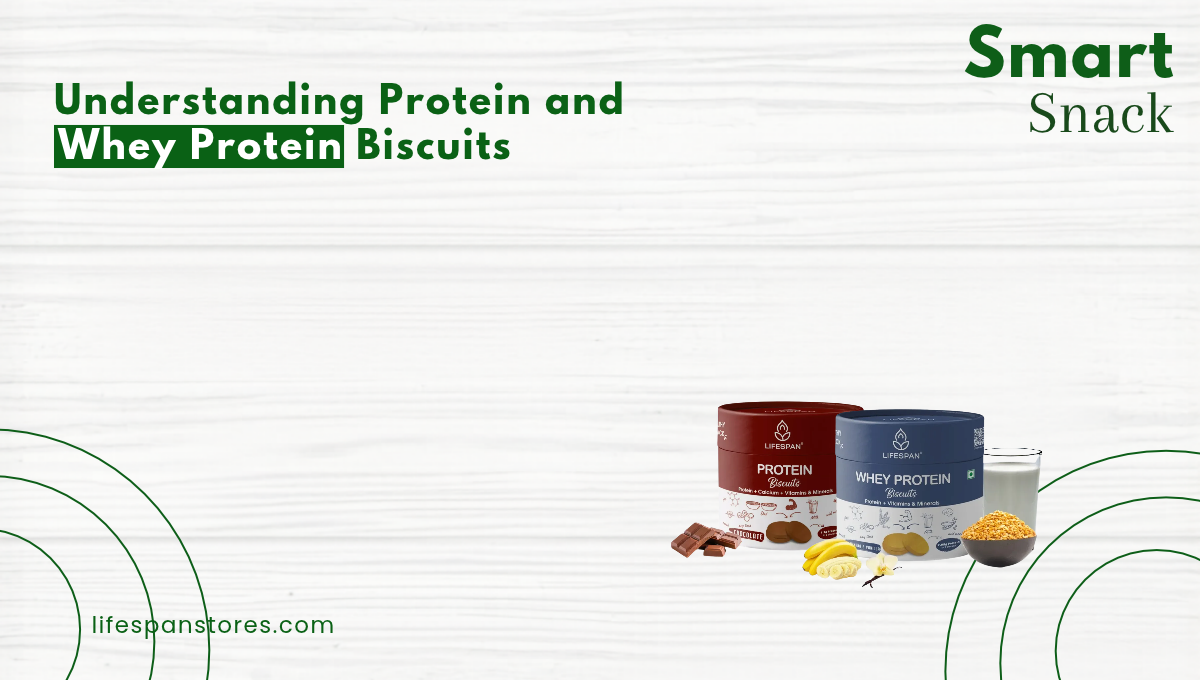
Snacking is part of everyday life. A quick bite between meetings, a snack after school, something to eat while travelling, or a convenient option before heading to the gym can all become part of a busy schedule. The challenge is choosing smart snacks that offer more than just convenience like protein and whey protein snacks.
This is where protein-focused snacks can have a useful place in a balanced diet. Lifespan Protein Biscuits and Lifespan Whey Protein Biscuits combine the familiar format of a biscuit with protein and other nutritional ingredients, making them convenient options for people who want to include more protein in their daily routine.
Although both products are designed as protein-containing snacks, their formulations are different. Lifespan Protein Biscuits contain ingredients such as casein, milk solids, Bengal gram and inulin, while Lifespan Whey Protein Biscuits feature whey protein along with ingredients such as cinnamon, banaba, amla and ashwagandha.
Understanding what goes into these biscuits can help consumers make informed choices based on their individual dietary needs.
Why Choose a Protein-Based Snack?
Protein is an essential macronutrient required by the body every day. It contributes to the maintenance of muscles and other tissues and is involved in numerous biological processes.
Protein is found in foods such as pulses, beans, dairy products, eggs, fish, meat, nuts and seeds. However, busy schedules can sometimes make it difficult to prepare or carry protein-rich foods. A convenient protein-containing snack can therefore help supplement the diet when hunger strikes between meals. It is important to remember that a protein biscuit or whey protein biscuit is still a snack. It should complement a varied diet rather than replace nutritious meals.
Lifespan Protein Biscuits: What Goes Into Them?
Lifespan Protein Biscuits are available in flavours such as Chocolate and Vanilla. The product is formulated with dairy and plant-derived ingredients and is intended to provide protein in a convenient biscuit format.
The ingredients listed for the product include:
- Casein
- Sucrose
- Edible vegetable fat containing permitted antioxidants
- Milk solids
- Bengal gram
- Raising agent
- Inulin
- Emulsifier
- Vitamins
- Minerals
- Cocoa in the chocolate variant
- Added flavouring ingredients
Always refer to the latest product packaging for the current ingredient declaration and nutritional information, as formulations can be updated.
Casein: A Milk-Derived Protein
Casein is one of the principal proteins naturally present in milk. It provides amino acids that the body uses for normal protein metabolism. Including casein as an ingredient gives the biscuits a dairy-based protein component.
For people looking for convenient ways to add protein to their diet, foods containing milk proteins can form part of an overall protein intake strategy.
Milk Solids and Calcium
Milk solids contribute dairy nutrients to the formulation. Dairy foods are well known sources of calcium, an essential mineral required for maintaining normal bones and teeth.
Calcium also plays important roles in normal muscle function and nerve signalling.
The amount of calcium provided by a serving should always be checked on the current nutrition panel rather than estimated from the ingredient list alone.
Bengal Gram: A Traditional Plant Protein Source
Bengal gram, commonly known as chana, is a familiar ingredient in Indian diets.
It naturally provides plant protein and dietary fibre. Pulses such as Bengal gram can contribute to a balanced diet because they provide a combination of protein, carbohydrates, fibre and various micronutrients.
Its inclusion alongside dairy-derived ingredients provides the biscuit with both plant and dairy nutritional components.
Inulin and Dietary Fibre
Inulin is a type of dietary fibre naturally found in certain plants and commonly used as a fibre ingredient in food products.
Dietary fibre is important for digestive health and forms an important part of a balanced diet. Fibre is also found naturally in foods such as vegetables, fruits, whole grains, pulses, nuts and seeds.
A snack containing a fibre ingredient can therefore contribute to daily fibre intake, although the total amount should be considered from the nutrition label.
Cocoa: Cocoa is used in the chocolate version to provide its characteristic flavour.
Cocoa naturally contains several plant compounds, including polyphenols. However, the presence of cocoa does not mean a biscuit should be considered a therapeutic food.
The overall nutritional value of the product should always be assessed using the complete ingredient list and nutrition information.
Potential Benefits of Lifespan Protein Biscuits
- Convenient Source of Protein
The combination of casein, milk solids and Bengal gram makes protein an important part of the formulation.
Protein contributes to the maintenance of muscle and other body tissues and is required for numerous normal physiological functions.
A protein-containing snack can be particularly convenient for people who have long gaps between meals.
- Can Contribute to Calcium Intake
The dairy ingredients provide naturally occurring calcium.
Calcium is important throughout life, particularly as part of a balanced diet supporting normal bone and dental health.
However, individual calcium requirements vary according to age and other factors, so the biscuits should not be considered a sole source of calcium.
- Contains a Fibre Ingredient
Inulin and Bengal gram contribute fibre-related nutritional value.
Getting enough fibre from a combination of vegetables, fruits, pulses, whole grains, nuts and seeds remains important for overall dietary quality.
- Easy to Carry
One practical advantage of biscuits is portability.
They can be carried to:
- Work
- College
- School
- The gym
- Travel
- Outdoor activities
This makes them a convenient option when preparing a fresh snack is not practical.
Lifespan Whey Protein Biscuits: A Different Protein Approach
Lifespan Whey Protein Biscuits are formulated with whey protein as a key protein source.
According to the product information, three biscuits provide 7.99 g of whey protein.
The formulation also includes botanical ingredients such as:
- Cinnamon
- Banaba
- Amla
- Ashwagandha
It also contains milk-derived ingredients, vitamins and minerals.
Because food formulations can change, consumers should check the latest packaging for the complete ingredient list and quantities.
Understanding the Ingredients in Whey Protein Biscuits
Whey Protein: Whey is a protein naturally found in milk.
It contains essential amino acids and is commonly used in nutrition products because it provides a concentrated source of high-quality protein.
Protein intake is especially relevant for people who participate in regular physical activity because adequate protein supports normal muscle maintenance and recovery when combined with appropriate exercise and overall nutrition.
The Lifespan product provides 7.99 g of whey protein per three-biscuit serving, according to the product information.
Cinnamon: Cinnamon is a widely used culinary spice with a distinctive aroma and flavour.
It contains naturally occurring plant compounds and has been researched for various physiological effects.
However, the quantity of cinnamon used in a food product should not be confused with the concentrated amounts used in research or supplements. The inclusion of cinnamon makes it an ingredient of the product, not a treatment for a medical condition.
Banaba: Banaba, scientifically known as Lagerstroemia speciosa, is a plant traditionally used in parts of Asia.
Its leaves contain naturally occurring compounds, including corosolic acid, which has been studied in relation to glucose metabolism.
However, research findings should not automatically be applied to the effects of a particular food product. The amount and form of an ingredient are important when interpreting scientific evidence.
Amla: Amla, or Indian gooseberry, has a long history in Indian food traditions.
It naturally contains vitamin C and various plant compounds, including polyphenols.
Adding amla to a food formulation introduces an ingredient that is already familiar in Indian diets and traditional wellness practices.
Amla can also be included as part of a varied diet that contains a broad range of fruits and vegetables.
Ashwagandha: Ashwagandha, also known as Withania somnifera, is an herb traditionally used in Ayurveda.
It contains naturally occurring compounds called withanolides and has been the subject of modern research.
Because botanical ingredients can interact with certain medications and may not be appropriate for everyone, individuals taking medication, pregnant or breastfeeding women, and people managing medical conditions should consult a qualified healthcare professional before regularly consuming products containing herbal ingredients.
Protein Biscuits vs Whey Protein Biscuits
While both Lifespan products provide a convenient protein-focused snack, their ingredient profiles differ.
Feature | Lifespan Protein Biscuits | Lifespan Whey Protein Biscuits |
Main protein sources | Casein, milk solids and Bengal gram | Whey protein and milk-derived ingredients |
Plant-based ingredient | Bengal gram | Amla and other botanical ingredients |
Fibre ingredient | Inulin | Check current product label |
Botanical ingredients | Not a primary feature | Cinnamon, banaba, amla and ashwagandha |
Protein information | Protein-containing biscuit | 7.99 g whey protein per 3 biscuits |
Flavours | Chocolate and Vanilla | Refer to current product information |
Format | Biscuit snack | Biscuit snack |
The choice between the two depends on individual dietary preferences, protein requirements, ingredient preferences and the rest of the day’s diet.
When Can You Include Protein Biscuits?
There is no single “perfect” time to eat a protein biscuit. The most useful time depends on your routine.
During a Busy Workday: Long working hours can sometimes lead to skipped or delayed meals. A convenient snack can help manage hunger until the next proper meal.
Between Breakfast and Lunch: If you regularly feel hungry between meals, a portion-controlled protein-containing snack can be one option.
During Travel: Portable snacks are particularly useful during road journeys, flights and other situations where nutritious food may not always be easily available.
Around Exercise: People who exercise may choose protein-containing foods around their workouts as part of their overall nutrition plan.
However, total daily protein intake is more important than focusing exclusively on a particular snack or timing strategy.
For Students: Students often have busy school, college or coaching schedules. A convenient snack can be useful when there is a long gap between meals.
Parents should nevertheless consider the child’s overall diet, age, nutritional requirements and activity level rather than relying on packaged snacks as a primary nutrition source.
How to Make Snacking More Nutritious
A smart snack does not have to be complicated.
Instead of looking at one food in isolation, consider what your overall snack contains.
For example:
Protein biscuit + fruit: Fruit can add fibre, water, vitamins, minerals and naturally occurring plant compounds.
Protein biscuit + yoghurt: Yoghurt can provide additional protein and calcium, depending on the product chosen.
Protein biscuit + nuts: Nuts can contribute protein, unsaturated fats, fibre and micronutrients.
These combinations are examples rather than strict requirements. The right choice depends on individual dietary needs and calorie requirements.
Who Should Pay Attention to the Ingredient Label?
Reading the label is especially important for people with food allergies, dietary restrictions or specific nutritional requirements.
The products contain milk-derived ingredients, so individuals with milk allergies should carefully review the allergen information.
Lifespan Whey Protein Biscuits also contain botanical ingredients including cinnamon, banaba, amla and ashwagandha.
People who are pregnant, breastfeeding, taking prescription medication or managing a medical condition should seek professional advice before regularly consuming foods containing concentrated botanical ingredients.
The latest product packaging should always be considered the final reference for:
- Ingredients
- Allergens
- Serving size
- Protein content
- Calories
- Carbohydrates
- Sugar
- Fat
- Fibre
- Sodium
- Vitamins and minerals
The Bottom Line
A snack can be convenient without being nutritionally meaningless.
Lifespan Protein Biscuits combine dairy and plant-derived ingredients such as casein, milk solids, Bengal gram and inulin, along with vitamins and minerals.
Lifespan Whey Protein Biscuits use whey protein as a key protein ingredient and provide 7.99 g of whey protein per three biscuits, together with ingredients such as cinnamon, banaba, amla and ashwagandha.
Both can fit into an everyday eating pattern when consumed according to the recommended serving size and considered as part of a varied diet.
The most important principle is simple: don’t judge a snack only by its name. Look at the ingredients, serving size, nutrition panel and how it fits into your complete diet.
For people with busy schedules, a thoughtfully formulated protein-containing biscuit can be a practical way to make everyday snacking a little more purposeful—without making healthy eating unnecessarily complicated.